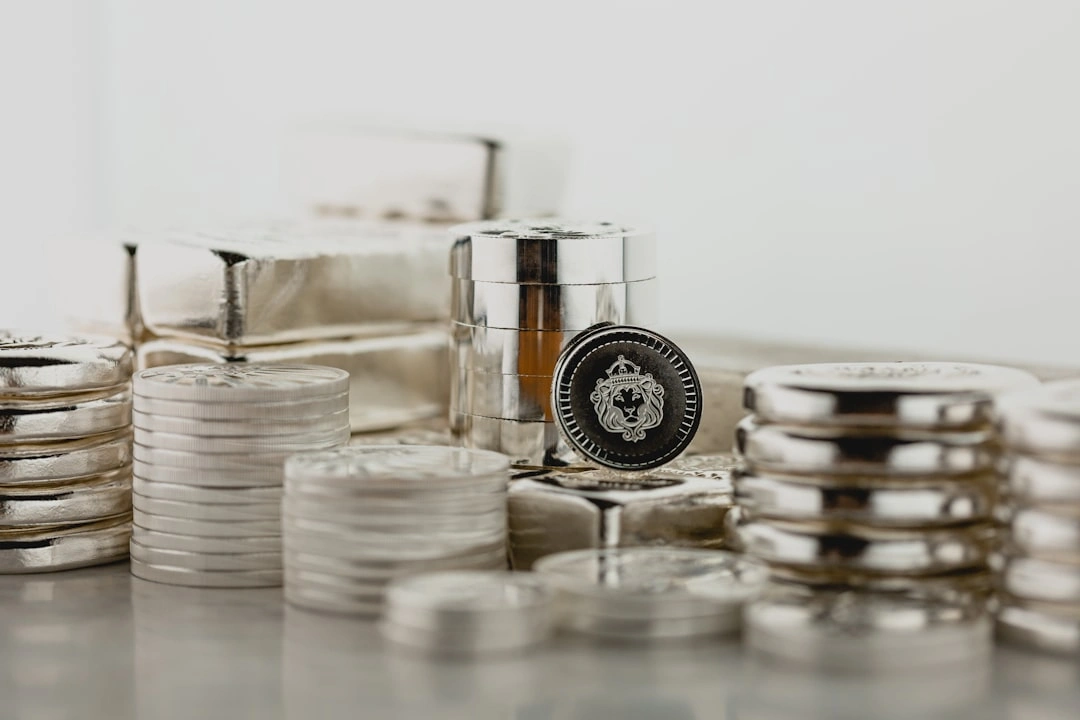
Here are the Top 8 reasons people choose physical silver as their solution, as told to us by our clients. We’ve ranked them in order of popularity – where does your motivation for silver investment sit?
1) Diversifying their investments. The number one reason is simple – silver adds a crucial layer of diversification
2) The comfort of a physical asset. You can see it, touch it, hold it in your hand – it’s real
and not just a digital promise
3) Protecting their existing wealth. Both in terms of the impact of inflation and reducing
counterparty risk
4) Looking for growth. They believe silver is going to grow in value, as it has always done in the long term
5) Concerns about their bank. When banks fail, there are government protections in place, but only up to a point
6) They don’t trust the government. What happens when a government needs money and
can access yours digitally?
7) Adding silver to their pension. For diversification and protection – this is an
increasingly popular second step
8) They hold over £85K in cash. They’ve reached the FSCS protection cap and want a low-risk, liquid solution
These are the most common reasons why our clients take their first steps into silver investment.
Should you buy silver or gold?
- Both gold and silver may provide a hedge in a potential economic or market downturn, as well as during sustained periods of rising inflation, but there are important differences to know.
- Silver is typically less expensive and volatile than gold, while gold has the potential to be a more powerful portfolio diversifier.
- There are several ways to invest in silver and gold, including buying the physical metals, purchasing exchange-traded funds, and investing in mining stocks or funds.
For years, investors have turned to both gold and silver because it may provide a hedge in a potential economic or market downturn, as well as during sustained periods of rising inflation. Understanding the different uses of the two metals, their economic sensitivities and technical characteristics can help you determine which metal may benefit your portfolio.
Here are four factors to consider when deciding to invest in gold or silver:
1) Silver May Be More Tied to the Global Economy: More than half of all silver’s demand comes from heavy industry and high technology, including smartphones, tablets, automobile electrical systems, solar-panel cells and many other products and applications, according to the World Silver Survey. As a result, silver tends to be more responsive to economic changes compared to gold. When economies take off, demand tends to grow for silver.
2) Silver Is More Volatile than Gold:The volatility in silver prices can be two to three times greater than that of gold on a given day. While some traders see this as an opportunity, such volatility can be challenging when managing portfolio risk.
3) Gold Has Been a More Powerful Diversifier than Silver: While silver may diversify your portfolio with moderately weak positive correlation to stocks, bonds and commodities, gold is considered a more powerful diversifier. The yellow metal has been consistently uncorrelated to stocks and has had very low correlations with other major asset classes—and with good reason: Unlike silver and industrial base metals, gold is less affected by economic declines because it has fewer industrial uses.
4) Silver Currently Trades at a Lower Price than Gold: Per ounce, silver tends to be less expensive than gold, which recently hit record highs, making silver more accessible to small retail investors who wish to own the precious metals as physical assets. Gains in silver value tend to lag those of gold.